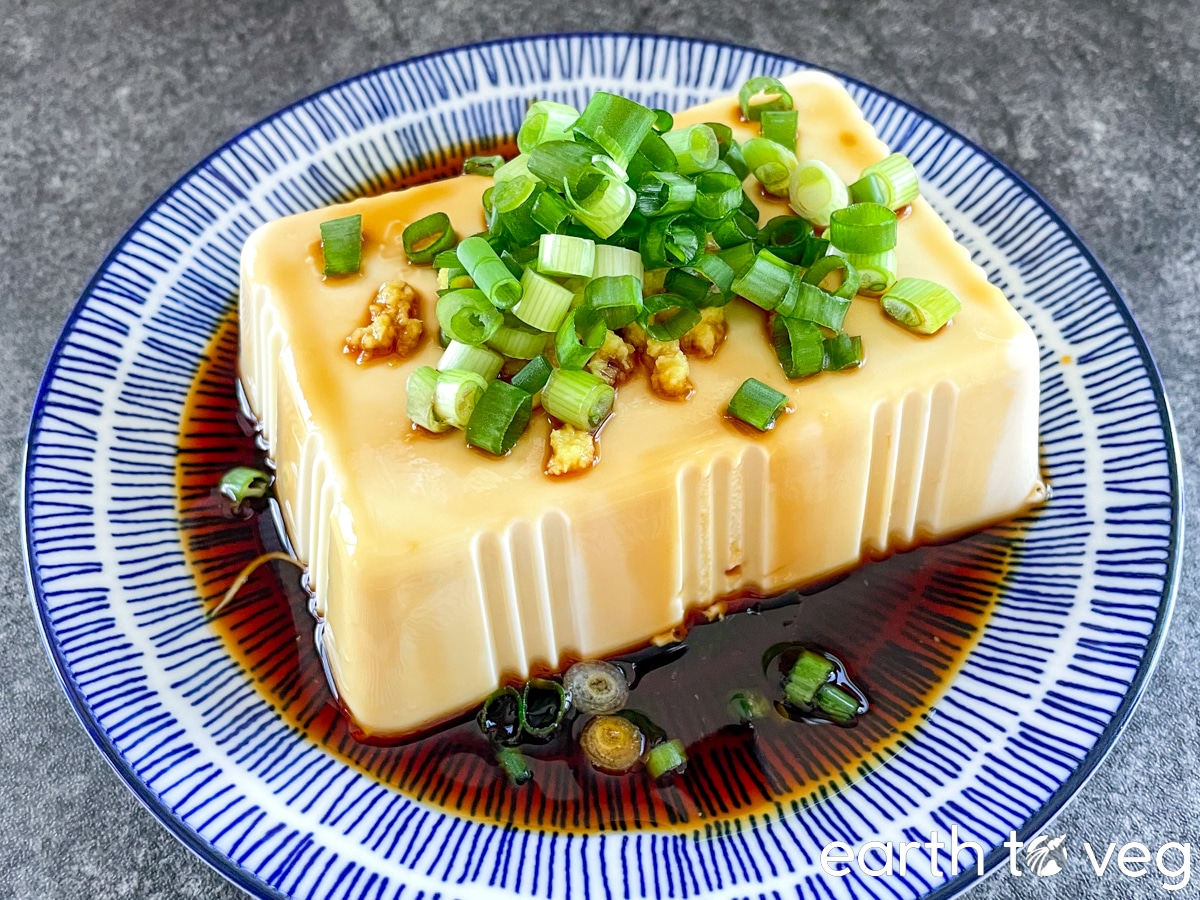
Embrace the Chill: Discovering the Delight of Japanese Silken Tofu Hiyayakko
In the realm of Japanese cuisine, some dishes captivate with their intricate flavors, while others charm with their elegant simplicity. Among the latter,
Japanese silken tofu hiyayakko stands out as a true culinary gem. This refreshingly cool dish is more than just chilled tofu; it’s an effortless culinary experience, offering a delicate balance of textures and flavors that provides a delightful respite, particularly on warm days. Imagine the subtle creaminess of silken tofu, enhanced by vibrant toppings and a savory drizzle – that's the essence of Hiyayakko, a dish that instantly transports you to a tranquil Japanese summer. It’s a testament to the fact that extraordinary taste doesn't always require extraordinary effort, making it a beloved appetizer or side dish for both seasoned chefs and home cooks alike.
What Exactly is Hiyayakko? Unpacking the Name and Tradition
The name
Hiyayakko (冷奴 or ひややっこ) itself offers a clue to its nature: "Hiya" (冷) means "chilled" or "cold," while "yakko" (奴) refers to the traditional square block shape in which tofu was often served, reminiscent of the uniform coats worn by footmen in ancient Japan. Thus, Hiyayakko literally translates to "cold tofu."
This iconic dish holds a special place in Japanese culinary tradition, particularly during the warmer months. It's not uncommon to find Hiyayakko gracing dinner tables throughout summer, often served alongside a frosty glass of beer and a bowl of steamed edamame. This classic pairing creates a harmonious symphony of flavors and textures – the coolness of the tofu, the crispness of the beer, and the satisfying bite of the edamame. For many, it evokes nostalgic memories of family meals and simple pleasures, a symbol of relaxation and refreshment. It's a dish that embodies the Japanese aesthetic of appreciating natural ingredients and minimalist preparation, allowing the inherent qualities of the silken tofu to shine through. For a deeper dive into the cultural roots and historical context of this beloved dish, we invite you to explore
japanese silken tofu hiyayakko - Article 1.
The Heart of Hiyayakko: Selecting and Preparing Silken Tofu
The foundation of a truly exquisite
Japanese silken tofu hiyayakko lies, predictably, in the tofu itself. Crucially, this dish demands *silken* tofu (also known as soft tofu). The characteristic smooth, custardy texture of silken tofu is what defines Hiyayakko, providing that melt-in-your-mouth experience that simply cannot be replicated with medium or firm varieties. Using anything other than silken tofu would fundamentally alter the dish, missing the delicate creaminess that is its hallmark.
Preparing the silken tofu is a straightforward process, but it requires a gentle hand to maintain its integrity:
1.
Draining, Not Pressing: Silken tofu contains a significant amount of liquid. To allow the inherent, subtle flavor of the soybeans to truly emerge and prevent the dish from becoming watery, it’s essential to drain the tofu. Carefully remove the block from its packaging and place it on a plate lined with a few layers of paper towels or a clean kitchen towel. Let it sit for at least 10-15 minutes. The key here is *draining*, not *pressing*. Unlike firmer tofus used for stir-fries, silken tofu is incredibly delicate and will crumble easily if pressed. We want to remove excess water but retain enough moisture to keep it sumptuously smooth and moist.
2.
Gentle Slicing: Once drained, gently cut the tofu into smaller, manageable blocks. A typical standard-sized package (around 12-14 oz) can be cut into four even pieces. Japanese tofu packages are often slightly smaller, so you might adjust to two or four pieces accordingly, aiming for elegant, bite-sized portions.
3.
Chilling is Key: After cutting, the tofu should be kept chilled until you are ready to serve. This ensures the refreshing "hiya" (cold) aspect of Hiyayakko is perfectly preserved.
A Canvas of Flavors: Crafting the Perfect Toppings and Dressings
While the silken tofu provides the delicate canvas, it's the array of toppings and dressings that truly bring
Japanese silken tofu hiyayakko to life, allowing for endless creativity and personalization. This versatility is one of the dish's most appealing attributes, enabling you to tailor it to your taste or what's seasonally available.
Traditionally, a simple yet potent combination of toppings reigns supreme:
*
Finely Chopped Green Onions (Negi): Providing a mild oniony bite and a splash of vibrant green.
*
Grated Fresh Ginger: Adding a pungent, warming counterpoint to the coolness of the tofu.
*
Katsuobushi (Bonito Flakes): These delicate, smoky flakes offer an umami-rich savory depth that melts on the tongue. (
Note for vegans/vegetarians: skip this topping!)
*
A Drizzle of Soy Sauce: The essential seasoning, adding a fundamental salty and umami kick.
However, the beauty of Hiyayakko lies in its adaptability. You can easily elevate and customize your dish with a myriad of creative toppings:
*
Vegan & Vegetarian Friendly:
*
Fresh Herbs: Shiso leaves (perilla), cilantro, or finely chopped chives.
*
Crisp Vegetables: Diced cucumber, cherry tomatoes, corn kernels, or shredded daikon radish.
*
Nutty & Crunchy: Toasted sesame seeds, crushed peanuts, or crispy fried garlic/onions.
*
Spicy Kick: A dollop of chili garlic oil (rayu), shichimi togarashi (Japanese seven-spice blend), or a pinch of gochugaru (Korean chili flakes).
*
Creamy Additions: Sliced avocado or a spoonful of edamame.
*
Gourmet & Umami Boosters:
*
Mentsuyu (Noodle Soup Base): A flavorful alternative to plain soy sauce, often containing dashi, mirin, and soy sauce.
*
Ponzu Sauce: A tangy citrus-based soy sauce that adds brightness.
*
Yuzu Kosho: A spicy, fragrant paste made from yuzu citrus peel and chili peppers.
*
Miso Paste Dressing: Thin some red or white miso paste with a little water, mirin, and rice vinegar for a rich, savory dressing.
*
Seaweed: Shredded nori or tiny pieces of wakame.
When it comes to dressing, the rule is simple: drizzle it on *just before eating*. You want to enhance the tofu, not drown it. A small amount of soy sauce or your chosen dressing, applied at the table, ensures that each bite is perfectly seasoned without creating a pool of liquid at the bottom of the dish, which can dilute the delicate flavors and textures. For more innovative ideas and unique flavor combinations, be sure to check out
japanese silken tofu hiyayakko - Article 3.
Serving Suggestions and Culinary Tips for a Pristine Experience
Serving
Japanese silken tofu hiyayakko is as straightforward as its preparation. The key is to maintain its chilled temperature and allow diners to customize their seasoning.
*
Chilled to Perfection: Always serve Hiyayakko cold. The contrast between the cool tofu and the often warmer ambient temperature is part of its charm and refreshing quality. Keep the prepared tofu with its toppings in the refrigerator until the moment you’re ready to present it.
*
Individual Servings: While a large platter can work, serving individual portions makes for an elegant presentation and allows each person to dress their own tofu to taste. Place a block or two of topped tofu on a small, attractive dish.
*
Sauce on the Side: Offer a small pitcher or dispenser of soy sauce (or your chosen dressing like ponzu or mentsuyu) at the table. This allows each person to drizzle their desired amount directly onto their tofu just before eating. This prevents the tofu from soaking up too much sauce and becoming overly salty or soggy.
*
Pairing Perfection: As mentioned, a cold beer is a classic accompaniment. However, Hiyayakko also pairs beautifully with sake, especially a crisp, dry variety. It serves as an excellent palate cleanser when enjoyed with richer Japanese dishes like tempura, yakitori, or even a simple bowl of ramen or udon. Its light nature makes it a perfect starter to almost any meal.
From a nutritional standpoint,
Japanese silken tofu hiyayakko is a powerhouse. Tofu is an excellent source of plant-based protein, low in calories and saturated fat, and contains essential amino acids. It’s naturally gluten-free (ensure your soy sauce is too) and, with the right toppings, entirely vegan and vegetarian. This makes it a fantastic option for a wide range of dietary preferences and a healthy addition to any meal.
Conclusion
The simple elegance and refreshing appeal of
Japanese silken tofu hiyayakko make it a truly remarkable dish. From its humble origins as a summer staple to its adaptable nature as a canvas for endless flavor combinations, Hiyayakko offers a unique culinary experience that is both nourishing and utterly delightful. Whether you’re seeking a quick, healthy appetizer, a cooling side dish on a sweltering day, or simply an exploration into the nuanced flavors of Japanese cuisine, this chilled silken tofu dish delivers on all fronts. Its ease of preparation, combined with its profound capacity for customization, ensures that Hiyayakko remains a timeless favorite, inviting everyone to savor a piece of Japanese tranquility, one creamy, chilled bite at a time. So, gather your ingredients, chill your tofu, and prepare to embark on a deliciously simple journey.